We speak Spanish, Hindi and Gujarati.

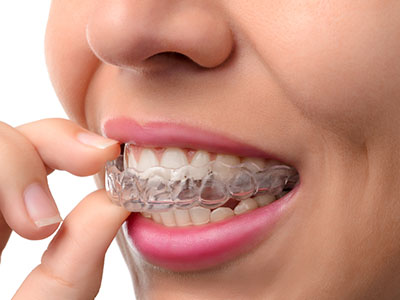
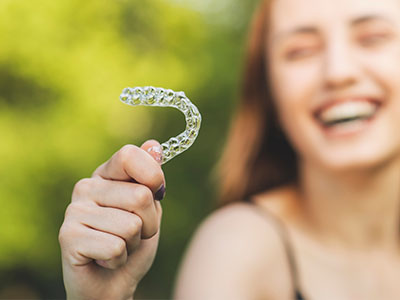
Clear aligner therapy has changed how many people approach orthodontics — offering a discreet, modern alternative to traditional braces that fits into everyday life. Using a sequence of clear, custom-fit trays, this treatment gently guides teeth into healthier, more attractive positions without the routine visibility or discomfort associated with metal brackets and wires. For people seeking an effective treatment that respects their lifestyle, clear aligners are often an excellent option.
Clear aligners are designed for patients who want an orthodontic solution that minimizes interruption to work, school, and social routines. Because the trays are removable and nearly transparent, they let patients eat, speak, and smile with confidence throughout treatment. The removable nature also makes it simpler to maintain daily oral hygiene — brushing and flossing can continue without navigating around brackets.
Another practical advantage is the predictability of staged tooth movement. Each tray is numbered and worn in sequence, advancing your teeth in small, controlled increments. This staged approach enables clinicians to plan a clear path from the current alignment to the desired outcome, and to monitor progress at regular appointments to ensure the plan is staying on track.
That said, success with aligners depends on patient commitment. Aligners must be worn for the recommended hours each day to achieve the planned outcomes. When worn and cared for properly, many patients experience comfortable, clinically reliable tooth movement with fewer emergency visits and less soft-tissue irritation compared with traditional brackets and wires.

Invisalign® for Teens

Invisalign® for Brides

Invisalign® for Travelers
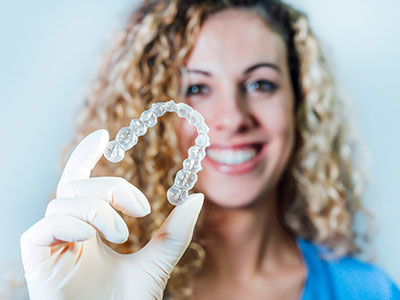
Before & After Photos
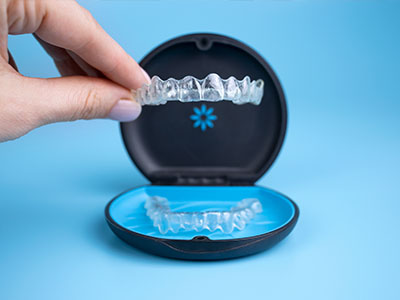
Invisalign® Videos
FAQs
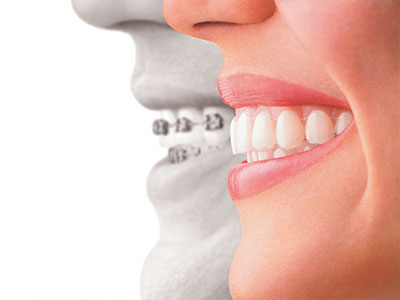
Invisalign® vs Braces
Invisalign® vs Direct-To-Consumer Aligners
Is Invisalign® Right For Me?

Invisalign® Costs
Modern aligner systems rely heavily on digital data gathered through intraoral scanning and 3-D imaging. A digital scan captures precise contours of your teeth and bite, which the clinician uses to create a step-by-step movement plan. Advanced software simulates the planned shifts so you and your clinician can preview the intended progress before any aligners are fabricated.
That planning process is central to achieving predictable results. The digital model lets the team identify where auxiliary features — such as attachments, bite ramps, or interproximal reduction — may be needed to assist specific tooth movements. These features are carefully integrated into the plan so that each aligner supports the overall strategy for alignment and occlusion.
Because treatment is digitally mapped, clinicians can make informed decisions at follow-up visits and refine the plan if necessary. When adjustments are required, updated scans and refinements help keep the treatment aligned with clinical goals while minimizing surprises for the patient.
One of the most appealing aspects of clear aligner therapy is its compatibility with daily life. Aligners are removed for eating and drinking anything other than water, which allows you to keep your regular diet. They are also taken out for special occasions when you prefer your smile without any appliance at all. To stay on schedule, most patients wear aligners between 20 and 22 hours per day.
Oral hygiene is straightforward compared with bracket-based systems. Since aligners are removable, you can brush and floss normally, reducing the risk of plaque buildup and staining. It’s important to clean the aligners themselves using the recommended method — typically gentle rinsing and a soft brush — to avoid discoloration and minimize bacterial buildup.
Routine monitoring appointments give your provider the chance to verify progress, exchange refinement scans if needed, and make clinical adjustments. Many patients find the checkups shorter and less invasive than the visits required by fixed appliances, but they are still an essential part of ensuring safe, controlled tooth movement.
Clear aligners are highly effective for many common orthodontic issues, including mild to moderate crowding, spacing, and some bite irregularities. The staged, computerized approach allows for controlled tipping, rotation, and translation of teeth in many clinical scenarios. When complex movements are required, aligner therapy can be combined with attachments, elastics, or limited fixed appliances to accomplish specific goals.
It’s equally important to be candid about limitations. Very complex skeletal discrepancies and severe jaw alignment problems typically require orthodontic appliances, growth modification, or surgical collaboration. During your initial evaluation, the clinical team will identify whether aligners alone can meet treatment objectives or whether a combined approach would yield a more predictable outcome.
Retention after active treatment is critical. Regardless of how teeth are moved, they have a natural tendency to shift over time. The clinical plan will include a retention strategy — usually retainers — to protect the investment of time and care that produced the new alignment.
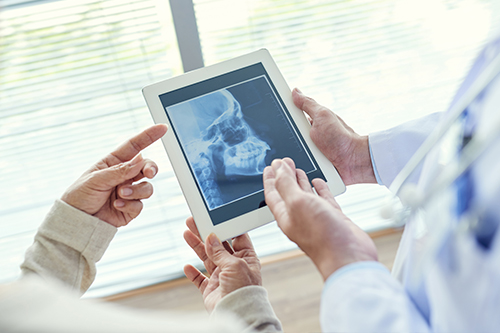
Your first visit focuses on a comprehensive assessment and a clear plan. The clinician will review your dental and medical history, perform a thorough exam, and typically capture digital records such as intraoral scans or radiographs when indicated. These records form the foundation for a realistic treatment proposal and timeline.
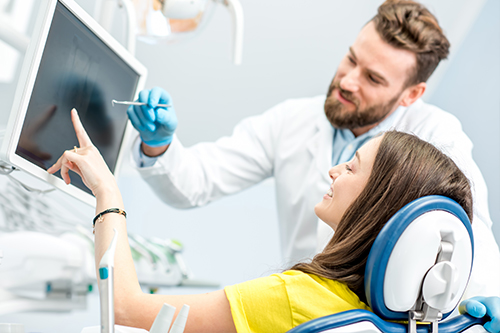
During the consult you will see a visual treatment preview that illustrates the proposed stages of tooth movement. This preview helps set expectations for the sequence of aligners, approximate duration, and any ancillary procedures that may be needed to support predictable movement. The team will also discuss maintenance, wear-time expectations, and the retention phase that follows active alignment.
At Smile N Shine Family Dentistry, we emphasize a personalized approach to care. If aligner therapy is appropriate, your treatment plan will be crafted to fit your dental condition and lifestyle priorities. Clear communication and careful monitoring guide the process from the first scan to the final retainer.

The initial evaluation identifies alignment goals and any preliminary dental needs. This assessment ensures treatment begins from a place of oral health and safety.

Advanced imaging gives a step-by-step visualization of how your teeth will move, helping you and your clinician agree on a clear, measurable treatment path.

Your aligners are fabricated from precise digital impressions and designed for comfort while delivering the forces needed for gradual tooth movement.

From tray changes to periodic reviews, the clinical team provides the guidance and adjustments needed to keep your care efficient and safe.
*Invisalign® is a registered trademark of Align Technology, Inc.
If you’d like to learn more about clear aligner treatment or discuss whether it’s right for your smile, please contact us for more information.

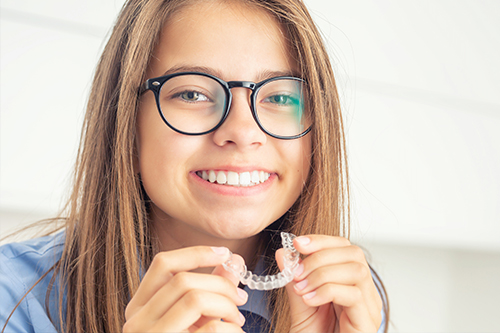
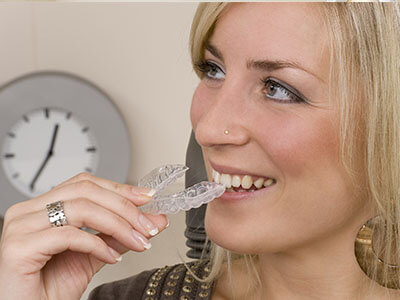
Invisalign® is a clear aligner system that straightens teeth using a series of custom-made, removable trays. Each tray applies gentle pressure to specific teeth, guiding them through planned stages of movement. Because the trays are transparent and removable, they offer a discreet alternative to fixed metal brackets.
Unlike traditional braces, aligners do not use wires or brackets and are removed for eating and cleaning, which makes daily hygiene simpler. Many patients experience less soft-tissue irritation and fewer emergency visits compared with fixed appliances. Clinical planning and regular reviews are still required to ensure safe, controlled tooth movement.
Good candidates generally include adults and cooperative teens with mild to moderate crowding, spacing, or bite irregularities. Candidates should have healthy gums and teeth free of untreated decay before starting alignment. The clinician evaluates each case with digital records to determine whether aligner therapy can achieve the desired result.
Patients with complex skeletal discrepancies, severe jaw misalignment, or very advanced tooth movements may be better served with orthodontic appliances, growth modification, or surgical collaboration. In some cases, aligners can be combined with auxiliaries such as attachments or elastics to address more challenging movements. A candid initial assessment will identify the most predictable path forward.
Digital treatment begins with an intraoral scan or precise impressions to create a three-dimensional model of your teeth and bite. Specialized software maps planned tooth movements and generates a staged sequence of aligners that can be previewed before fabrication. This virtual setup helps the clinical team identify where attachments, bite ramps, or interproximal reduction will be needed.
Because the plan is digital, clinicians can simulate outcomes and make adjustments at follow-up visits using refinement scans when necessary. This process increases predictability and reduces surprises during active treatment. Clear documentation supports clinical decision-making at every phase.
Your first visit includes a comprehensive dental and medical history review, a focused clinical examination, and digital records such as intraoral scans and radiographs when indicated. The clinician will assess oral health and identify any preparatory treatments needed before beginning aligner therapy. These steps ensure the treatment plan starts from a foundation of dental health.
You will also see a visual treatment preview that illustrates the proposed stages of tooth movement and an estimated timeline for active care. The team at Smile N Shine Family Dentistry will discuss wear-time expectations, potential auxiliaries, and the retention strategy that follows active alignment. This collaborative review helps set realistic goals and clarifies what to expect during treatment.
Treatment length varies by case complexity but many patients complete active aligner therapy in several months to about a year, while more complex cases can take longer. The number of stages, extent of tooth movement, and whether refinements are necessary all influence the timeline. Initial digital planning provides a projected schedule that is refined as treatment progresses.
Patient compliance with wear-time and attendance at monitoring appointments is one of the most important factors in achieving the proposed timeline. Dental needs that must be addressed before or during treatment, such as restorations or periodontal care, can also extend the duration. Regular communication with the clinical team helps keep the plan on track and minimizes delays.
Most clinicians recommend wearing clear aligners for 20 to 22 hours per day, removing them only for eating, drinking anything other than water, and oral hygiene. Consistent wear is required to deliver the programmed forces and achieve the expected tooth movement. Leaving aligners out for long periods can compromise progress and extend treatment.
If a patient is repeatedly noncompliant, teeth may not move as planned and the clinician may need to re-evaluate the sequence or perform refinements, which can lengthen care. Routine monitoring appointments allow the team to verify fit and advance the plan when compliance is satisfactory. Open communication about lifestyle needs can help the team tailor strategies to support consistent wear.
Remove aligners before eating and drinking anything other than water, and brush your teeth before reinserting them to reduce plaque and staining. Avoid exposure to hot water or abrasive cleaning agents that can warp or scratch the plastic. Storing aligners in their case when not in use prevents loss and reduces contamination.
Clean aligners daily using gentle rinsing and a soft toothbrush or the cleaning method recommended by your clinician to maintain clarity and hygiene. Avoid whitening or abrasive toothpaste directly on the aligners, as these can cause damage or clouding. If an aligner becomes damaged or poorly fitting, contact the clinical team for guidance.
Attachments are small, tooth-colored shapes bonded to teeth that provide the aligner with precision contact points to produce specific movements, such as rotation or extrusion. Bite ramps and other planned features can help manage vertical issues and improve occlusal relationships during staged movement. These auxiliaries are integrated into the digital plan and fabricated to support predictable mechanics.
Elastics may be prescribed in combination with aligners to correct certain bite discrepancies by applying interarch forces that aligners alone cannot achieve. In selected cases, limited fixed appliances may be combined with aligners to accomplish complex objectives while minimizing overall appliance time. The clinician will explain any recommended auxiliaries and how they affect daily care and wear.
Clear aligners are highly effective for many common orthodontic issues, including mild to moderate crowding, spacing, and certain bite irregularities, with the advantage of improved esthetics and easier oral hygiene. The staged digital approach allows controlled tipping, rotation, and translation when the case is well-suited to aligner mechanics. Many patients experience less soft-tissue irritation and fewer emergency visits compared with fixed appliances.
Limitations include severe skeletal discrepancies, significant jaw misalignment, and cases that need major vertical correction, which may require orthodontic appliances, growth modification, or surgical collaboration for predictable results. Even when aligners are appropriate, combining them with auxiliaries or limited fixed appliances may be necessary to achieve complex movements. A thorough clinical assessment identifies which approach offers the best long-term outcome.
Retention is a critical part of any orthodontic treatment because teeth have a natural tendency to drift after movement, and retainers help stabilize the new positions. Retention strategies vary and may include removable retainers worn nightly or fixed retainers bonded behind the teeth, depending on the case and the clinician's recommendations. The initial retention schedule is designed to protect the investment of time and care made during active alignment.
Follow-up visits allow the clinician to assess retention efficacy and address any minor relapse early, often with adjustments to the retainer or wear schedule. The team at Smile N Shine Family Dentistry will provide personalized guidance on long-term maintenance and when to seek evaluation if changes occur. Lifelong attention to oral health and protective habits supports the stability of the improved alignment.
Ready to schedule your next dental appointment or have questions about our services?
Contacting Smile N Shine Family Dentistry is easy! Our friendly staff is available to assist you with scheduling appointments, answering inquiries about treatment options, and addressing any concerns you may have. Whether you prefer to give us a call or fill out our convenient online contact form, we're here to help. Don't wait to take the first step towards achieving the smile of your dreams – reach out to us today and discover the difference personalized dental care can make.